
If ever there was a time to develop a spiritual practice, the time is now. A spiritual practice allows each of us to do our part while day by day the world changes in ways we may never have imagined. Having a devoted practice and seeking a meaningful connection with something greater than our self often results in better emotional, physical, and overall improved well-being. Today, spiritual practices draw from the religious, the secular, experiential, and our personal lives. There is a spiritual existence in just about any activity or routine where we feel, present and fully engaged in.
What does a Spiritual Practice Mean?
A spiritual practice is a habit, routine, or actions that help us connect to our best self, others, the world around us. The objective of engaging in one practice or more is to deepen your awareness and your spiritual growth and to be able to connect to God, Creator, and the Divine or whatever name your higher power holds.
During these complicated, challenging, and fearful times, far more than before, developing spiritual activities to assist yourself, each other, and all of humanity is essential. You may think that there is no time in a busy life and an overbooked schedule, to add something more to an expanding to-do list. But, now more than ever, it is essential that you find a place in your day, if even for a few minutes or more, to uplift, calm, and bring more inner peace to your life.
What are examples of Spiritual Practices?
Prayer as a Spiritual Practice
Prayer is possibly the most common spiritual practice universally present. It is a way of connecting our hearts and mind to the Divine. Prayers can be original and spontaneous or be those widely known as written prayers. As an example, “Lord, help me to live this day, quietly, easily. To lean upon Thy great strength, trustfully, restfully”… ~ St. Francis of Assisi
They may be said silently or spoken out loud. Prayers have been around for as long as humankind, making prayer a spiritual practice to consider carefully.
Read a Daily Devotional as a Spiritual Practice
A daily devotional is a publication that provides a spiritual reading passage for each day of the year. Along with prayer and meditation, this practice is a practical addition. While most often associated with the Christian tradition, devotionals can be found in other spiritual traditions too. Selecting a devotional is based on personal preference, just as picking a book or journal might be. Look for one that speaks to you. Incorporating devotionals into your spiritual practice is an excellent way to start. Applying the devotional message to your personal situations can help you live a deeper, more thoughtful, and meaningful life. Many people prefer reading their devotional first thing in the morning as a way to begin the day with intention and focus.
Gratitude as a Spiritual Practice
Study after study has demonstrated that grateful people are happier, healthier, and more satisfied with life, have more self-acceptance, and have a greater sense of purpose with their lives. This attitude of gratitude also has a ripple effect.
Perpetually grateful people seem to attract better relationships, career opportunities, health, and much more. Gratefulness.org provides free and straightforward practices where you “can nourish and deepen your gratitude awareness.”
Journaling as a Spiritual Practice
We often take for granted the daily practice for recording moments and pieces of our day. Having a special place to collect these thoughts provides a method that enriches our lives and brings greater awareness to all of life’s gifts, both large and small.
And if the thought of writing as a form of spiritual transformation inspires you to integrate it into your spiritual life, consider author Julia Cameron’s “morning pages,” which are three pages of longhand- stream of consciousness writing done first thing in the morning.
There is no editing or checking in with the “inner critic” as she calls it. Her book, “The Artist's Way,” first published in 1992, is an opportunity and a tangible tool for spiritual creativity, growth, and transformation.
Nature as a Spiritual Practice
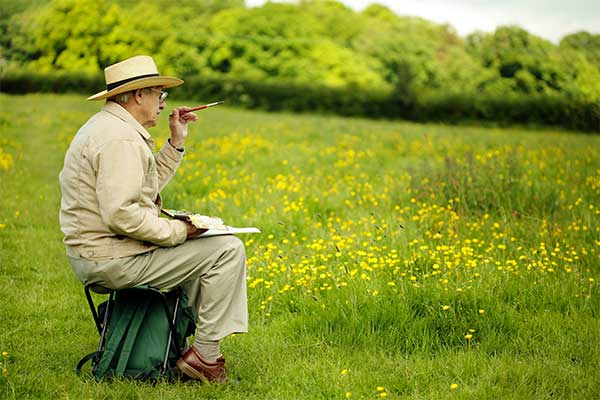
From the Native American tradition, we have learned that we should let nature be our teacher. Nature and the outside world we live in teaches us our connectedness to all living things. We are reminded of the unlimited potential and understanding of this spiritual relationship when we spend time in nature.
Meditation as a Spiritual Practice
This one spiritual practice that most everyone recognizes as such. The techniques of this practice are from many of the familiar religious traditions. Transcendental and Mindfulness meditation are two non-religious Western styles, derived from traditional religions. However, meditation is often difficult for an inexperienced meditator. Focusing attention on the present moment and especially during stressful times for sustained periods is problematic and ineffective without the proper guidance.
For many, however, this most popular spiritual practice is foundational for personal spiritual growth and development, and they benefit and enjoy this daily routine and experience immense success. As a result, practiced meditators will tell you that they feel happier and healthier. If you want to explore meditation as a tool to help you grow with it and learn from, free apps, such as Insight Timer and Headspace, are excellent places to start.



Before beginning any practice, consider the following and ask yourself these questions:
Why am I interested in developing a spiritual practice?
- How much time am I willing to devote to my new practice?
- What types of spiritual activities or practices inspire me?
- What do I hope to gain from embarking on this new spiritual routine?
- Have I explored what methods are necessary to begin this new practice?
If you are new to integrating a spiritual routine into your life, the first way to begin is to take a close look at what you already like doing, if- it’s gardening, start there. If you are a music lover, there is always instant access to all types of music. Maybe you are the creative type who loves working with your hands and doing art projects. Perhaps you enjoy writing poetry or journaling. Or you might enjoy working out, cycling or running. These are all clues to what type of spiritual routine or self development activity you are most likely to want to be part of your new regimen.
Use your imagination and create your practice, unique to you and your goals
A limited list of Spiritual Practices
- Mantra
- Listening to uplifting music
- Being of service to others
- Chanting
- Yoga
- Meditation
- QiGong
- Practicing Silence
- Create a home altar
- Create art
- Engaging with Nature
- Prayer
- Reading a Daily Devotional
- Practicing Loving-kindness
- Practicing Gratitude
- Poetry
There are so many other examples of spiritual practices done alone and daily that can align with your interests, style, and your available time. With a little self-awareness and an examination of your goals and expectations, you’ll be pleasantly surprised to find a practice that benefits your overall well-being. It will strengthen your connection to your Higher Power, and be one that you enjoy and, most importantly, will continue to incorporate into your daily life. The world needs each of us to be the best version of who we came here to be.
If you approach integrating this new ritual or routine into your life with a sense of curiosity and hopeful wonder, the benefits will assist you in living a better life. They will also help inspire others, which, in the end, will help support the positive evolution of all of humanity.


Keep in mind that we may receive commissions when you click our links and make purchases. However, this does not impact our recommendations, reviews, and comparisons. We try our best to keep things fair and balanced, in order to help you make the best choice for you.